

Availability Of Comal County Judicial Records
In the state of Texas, Comal County judicial records collected and maintained by a state government are considered public information, and access to the information is permitted to members of the public who are interested.
Comal County is located in south-central Texas with its largest city and county seat being New Braunfels. Just like in other parts of the United States, the public has a right to access court proceedings and court records. Those wishing to access Comal County judicial records can do so via mail, in person, or online. The Supreme Court has held that people have a right to attend criminal proceedings. The Court first held that the public, as well as the press, had a First Amendment right to attend criminal trials. This right doesn’t extend to jury proceedings.
You can say that the main kind of record that the federal courts maintain is a case file. This file has a docket sheet and all documents filed in a case which can be found at Pacer.gov. You can find a federal court by making use of the Public Access to Court Electronic Records (PACER). You can also opt to visit the clerk’s office where the case was filed.
Table of Contents
All Records Of Legal Processes Kept
Depending on the circumstances, proceedings might be closed to protect a defendant’s right to a fair trial. Comal County judicial records are public records, files, documents, and transcripts associated with court cases.
The courts in Comal County keep records on all things that occur during the legal process. This is for future reference. Comal county judicial records are maintained by the courts that produce the records. These courts may exist at the Comal County, Federal, Texas State, and local levels.
If you’re looking for judicial records you’ll want to know where you can find free Comal County Court Records online and also how to perform court case records searches. You’ll want to know where to access case information and also what civil case files are public information.
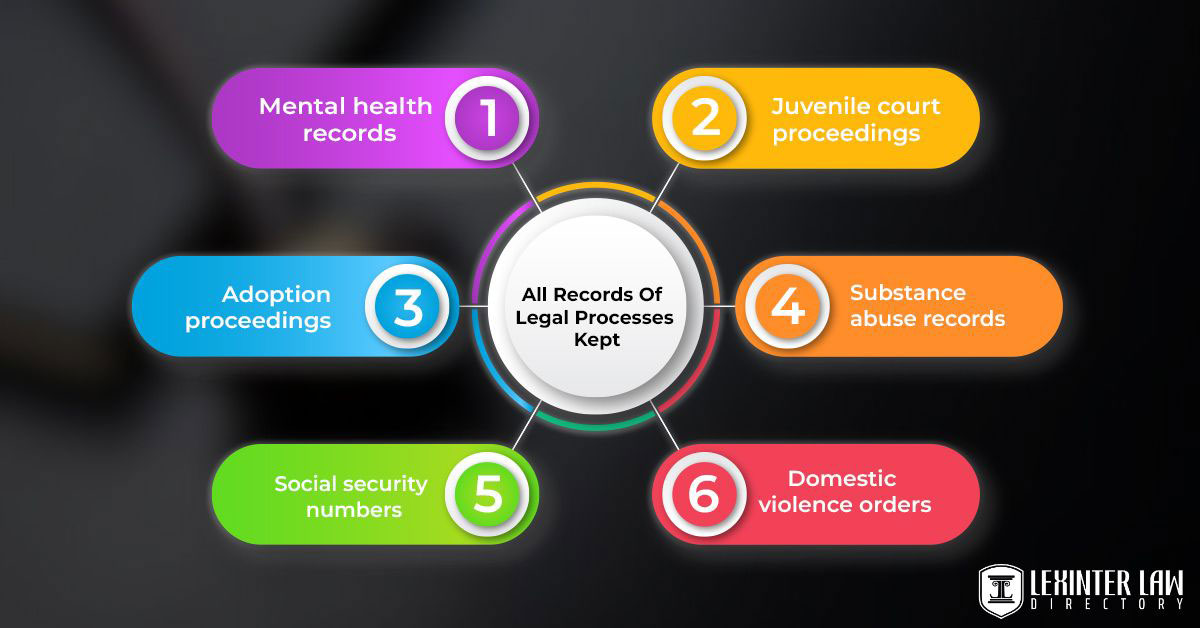
These Comal County judicial records fall under information that is available for public inspection. You need to know that there are some records that can’t be disclosed. This is because they are thought to be confidential by law or by court rules. These can include the likes of –
- Mental health commitment proceedings
- Juvenile court proceedings
- Adoption proceedings
- Drug and alcohol treatment records
- Social security numbers
- Domestic violence protection order files
Public court records are available to anyone. They can be used for academic research and for news publications. They can’t be used for commercial purposes. The public has always been allowed to enter courtrooms and court records. It means that those who want to be present at a trial can do so. As suggested, there are a number of exceptions to this. Juvenile courts are closed to the public. Also, the right of access to any court proceedings can be denied.
The Comal County Sheriff’s office is the main law enforcement agency of the county. It maintains lots of local crime reports and records. However, it’s the Texas Department of Public Safety that serves as the state repository for criminal history information.
If you’re looking for information, you can always consider a visit to the courthouse. You’ll be able to sift through Comal County judicial records or even attend court proceedings. There are laws that govern the court system, but you can look through the Comal County judicial court records if you believe that they can be of value to you.
You may even want to consult Comal County judicial records to get a better understanding of what is happening in court. If a particular person interests you, following them in court can promise a lot of information. There is a lot of information available in Comal County judicial court records about individuals, and even corporations that can help you with any investigations.
How Can You Get Hold Of Court Records?
Federal case files are maintained either in the old paper-form way or are kept electronically. maintained electronically. Then, they are available online through PACER, as mentioned. Anybody with an account can search court cases as well as docket information.
Those interested can make use of the PACER case locator granted that you aren’t sure the case got filed in federal court. You can do nationwide searches if you want to find out about the involvement of a party or person in a federal case. The database is updated every day. You can also access case files at the clerk’s office from the public access terminals where the court was filed.
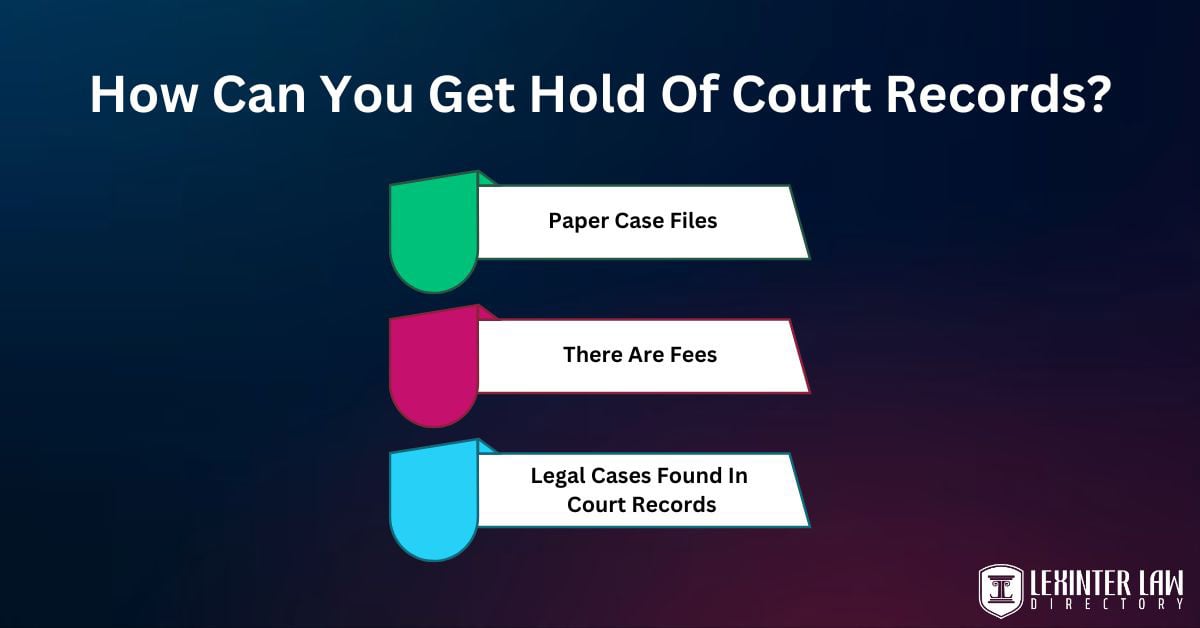
Paper Case Files
You will discover that most of the cases that were created before the year 1999 are kept in paper format. You can access these paper case files where the case was originally filed. You can also access the court records at Federal Records Centers.
You can also have phone access to court records. There is a telephone information system at all bankruptcy courts, for instance, and this is known as the Voice Case Information System. It allows callers to get basic case information by means of a touchtone phone. It is available around the clock and is completely free to use.
On Pacer, you can also find free court opinions for anyone who has an account. Also, access to court opinions from the district, appellate, as well as bankruptcy courts is available free of charge in a text-searchable format. When the court records are acceptable for permanent preservation, they’re transferred to the National Archives and Records Administration for storage.
Anyone can access Pacer if they need to look at federal court records. You have to first register to get an account going. The information available to you can be accessed around the clock 24 hours a day and that includes weekends and holidays. They are also open between reasonable hours – from 8 in the morning till 6 in the evening. You can also email them by checking out the email address on the Pacer website. You will discover that each court maintains its own case information and if you happen to know the district in which the case is filed, then you can search the court.
There Are Fees
You can view both paper and electronic court records kept at the court site can be viewed free of charge. However, if you are looking for copies of any kind of record, there will be a small fee of $0.10 per page.
There is also a fee of $0.10 per page to get hold of a file by means of PACER. The maximum fee you will be asked for is $3.00 per document. The user of these accounts is usually billed quarterly. The fee is waived for anyone who accrues less than $30 in a given quarter.
Researchers can count themselves as lucky, and an individual researcher working on certain research projects that are meant for scholarly work can make use of the attached form on Pacer to request fee exemptions from different courts. The request shouldn’t be designed for redistribution for commercial purposes.
Court records are mostly searched after all the other records have first been investigated. These records often provide details on the occupations of people and other historical information. You will discover that even some of the names of your ancestors can be found in the court records. Unfortunately, court records can be difficult to use.
Many people who have been adopted at some or other time want to find their birth parents. The information they are looking for is found in adoption records kept by a court. These records are usually sealed, and you can obtain them by getting a court order. These modern court records aren’t available at the Family History Library and you may well need legal assistance to get a court order. You can also contact some of the organizations that have been set up to assist these people.
Legal Cases Found In Court Records
The records aren’t particularly well indexed and lots of the information on the records have changed. In fact, to be able to interpret court records, you will be required to take the help of a dictionary. The National Center for State Courts has created a website to help with finding information.
There are 3 main kinds of legal cases that you can find in the court records.
Civil – they comprise a violation of the law when a person is harmed.
Equity – these are disputes between people and don’t comprise a violation of laws.
Criminal – this is about the violation of laws in which society can be harmed. A typical example is driving under the influence.
The US has something called a dual judicial system. Here, the federal courts try cases that comprise violations of the US Constitution. The state court systems try civil and criminal cases. Most criminal and civil cases are tried in the state courts.
Comal County Judicial Records Interest Many People
Comal County judicial records can be helpful to historians, too. Then again, for genealogists, court records can also reveal interesting details about family relationships, descriptions of people, their place of residence, and more.
Certainly, if you like historical research, you will find a lot of information in court files, much of which is available to you electronically. Once you’ve figured out what Comal County judicial records you want, you can find out about your right to access court records and court proceedings.
How To Get Comal County Judicial Records?
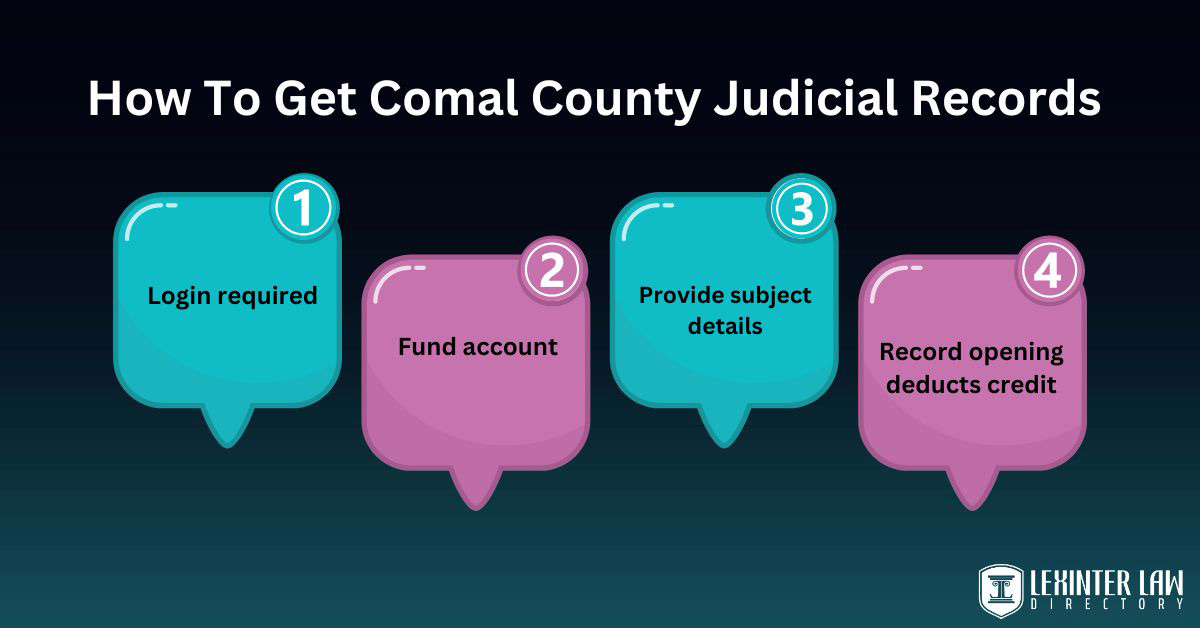
Getting Comal County judicial records is a straightforward process. You can access these records through the Texas Department of Public Safety’s online criminal history system. This system holds information about felony charges, misdemeanor cases, and arrest histories. To access records, you need to create an account on the system and purchase credits. Once your account is set up and funded, you can search for the records you need. You can also request records directly from the Comal County District Clerk’s office.
Login Required
To access Comal County judicial records online, you must first log into the system. You need to create an account on the Texas Department of Public Safety website. When you register, you will be asked to provide your email address, home address, and a password. Your email address will become your User ID. After logging in, you can begin searching for the records you need. This step ensures that only authorized users can access sensitive information.
Fund Account
Before you can search for records, you must fund your account. Once you have registered, you will need to buy credits to perform searches. Each search request costs a certain number of credits, and you must have enough in your account to complete the request. You can add credits to your account using a valid payment method. It is important to ensure that your account is funded before starting any searches so that you can access the records you need without any issues.
Provide Subject Details
To conduct a search, you will need to provide certain details about the person or case you are looking for. This includes the first and last name of the subject, as well as their birthdate. You may also need to provide a maiden name in some cases. These details help narrow down the search results and ensure that you get the most accurate information. The more information you can provide, the easier it will be to find the correct records.
Record Opening Deducts Credit
Each time you open a record, it will deduct a credit from your account. This is how the Texas Department of Public Safety charges for access to judicial records. Before you open a record, you can preview it to make sure it contains the information you need. If you decide to open the full record, the credit will be deducted. It’s important to check your account balance regularly so that you don’t run out of credits while searching for records.
Challenges In Obtaining Records
Obtaining Comal County judicial records can sometimes be challenging. There are several factors that may cause delays or make it difficult to access the records you need. These challenges include delays in processing requests, access fees, and errors in archived data. Additionally, not all records are available online, and navigating the systems used to search for records can be confusing. Understanding these challenges can help you be prepared and manage your expectations when trying to obtain judicial records.
Delays In Processing Requests
One challenge in obtaining Comal County judicial records is delays in processing requests. When you request records from the District Clerk’s office or other agencies, it may take some time for them to process and provide the information. This can be frustrating if you need the records quickly. The processing time depends on the complexity of your request, the volume of records, and how busy the office is. It’s important to plan ahead and allow extra time for delays when requesting records.
Access Fees And Costs
Another challenge is the access fees and costs associated with obtaining judicial records. For example, if you need to get a copy of a record, you may be charged a fee of $0.10 per page. This fee can add up quickly, especially if you are requesting multiple documents. Additionally, when using the Texas Department of Public Safety system, you must purchase credits to search and open records. These fees may be a barrier for some people, especially if they have limited funds or need a lot of records.
Errors In Archived Data
Errors in archived data can also be a challenge when trying to obtain judicial records. Sometimes, records that have been stored for a long time may contain mistakes or outdated information. These errors may happen during the recording process or because of changes in the law or personal information over time. If you find errors in a record you accessed, you may need to contact the court or agency to get clarification or corrections. However, correcting errors in archived data can be a slow and complicated process.
Limited Online Availability
Not all Comal County judicial records are available online. While many records can be accessed through the Texas Department of Public Safety or other online systems, some records may only be available in paper form at the courthouse. This can be a problem if you are unable to visit the courthouse in person. You may need to make a request by mail, phone, or email, which can add more time and effort to the process. Limited online availability can make it harder to access the information you need quickly.
Navigating the systems used to access Comal County judicial records can also be challenging. The online systems may be difficult to understand, especially if you are unfamiliar with them. You may have to go through multiple steps to search for the records you need, and sometimes it can be unclear where to find specific information. If you are not comfortable with technology, it may be helpful to ask for assistance from someone who is more experienced in using these systems. Understanding how to navigate these systems is important to ensure you get the records you need efficiently.
Sex Offender Information
If you are looking for sex offender information in Comal County it is published on the Texas Sex Offender Registry which is managed by the Texas Department of Public Safety. People interested can view offender criminal history, locations, and compliance status by searching the registry. You can try searching the offenders by using the name, postcode, and registration number.
The Department of Public Safety also offers a subscription service that provides interested residents with notifications regarding offenders. Inmate-related information can be obtained on the Corrections website and jail staff can also provide inmate information to those who want it.
Comal County Judicial Records Released By Clerk’s Office
The Comal County District Clerk’s office manages records of court cases heard by the county courts. Records of non-confidential court records can be released by the clerk’s office. Comal county judicial records can be made in person, or via email.
The person requesting the records Whichever the case, the requestor will be required to provide information regarding the records they are requesting. This includes the names of the litigant, plaintiff, and dependant and also detailed information of the case and the case file number. If you want copies of any of the records there will be a small fee.
Conclusion
The first step for you to take when trying to get Comal County judicial records is to first identify the court where the case was filed. Then, it’s a case of contacting the court’s record custodian. Comal County judicial records are maintained by the Office of the Court Clerk for each court, and contact details for courts in the Texas court system are available from the online directory of the state judiciaries.
